Tips For Expired Cooking Oil Disposal & Cooking Oil Shelf Life
Learn how to tell if cooking oil has gone bad, understand it’s shelf life, and best expired cooking oil disposal tips for commercial kitchens.
Proudly Serving-Los Angeles, Orange, San Diego, Riverside, San Bernardino, and Ventura Counties.
We’re Available 24/7
For restaurant owners, knowing how to clean a grease trap step by step is valuable when maintaining a busy commercial kitchen in Los Angeles, San Diego, Orange County, Riverside, San Bernardino, Ventura, and nearby Southern California cities. A grease trap handles tons of waste food solids, fats, oils, and grease every day, so grease trap cleaning procedure must be done carefully and with the right approach. DIY grease trap cleaning process involves safely opening the trap lid, removing grease buildup, checking baffles and screens, inspecting flow conditions, handling FOGS waste correctly, and recording the cleaning on the maintenance log form. With the right grease trap cleaning equipment and basic awareness, small indoor units can be monitored between services, while larger restaurant systems usually need professional grease management solution.
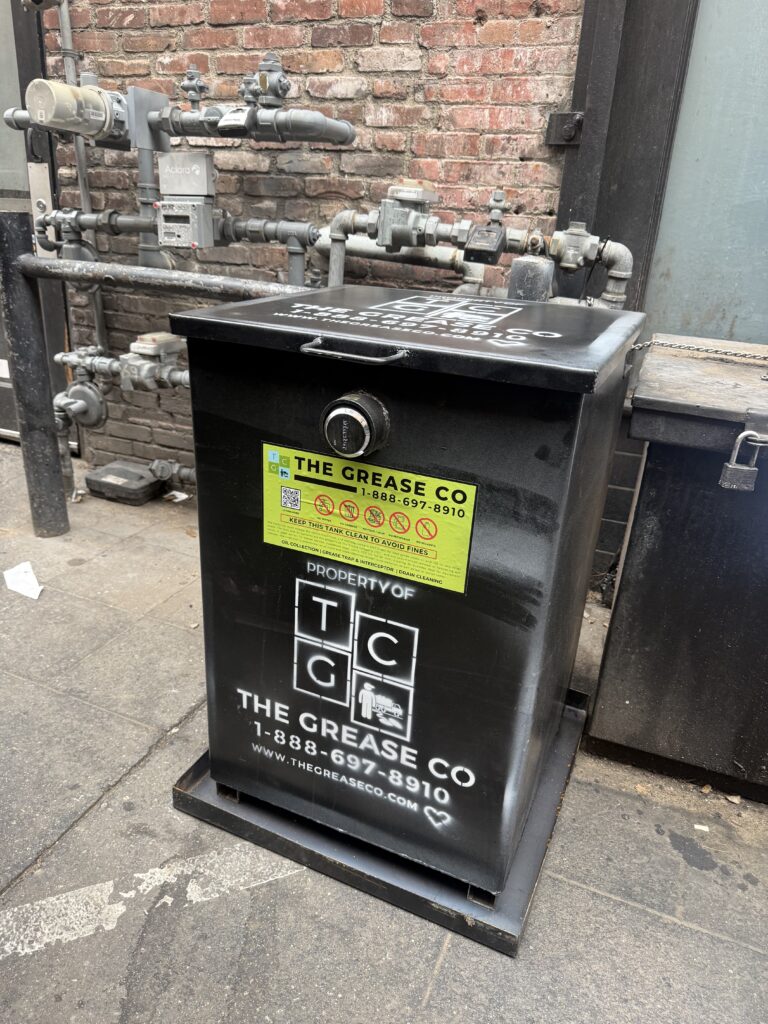
Before diy grease trap cleaning begins, the right grease trap cleaning tools and safety equipment should be ready. A technician may need protective gear, basic access tools, scraping equipment, sealed waste containers, and absorbent materials to handle the job safely. Depending on the trap size and level of grease buildup, additional grease trap cleaning equipment such as a wet/dry vacuum may also be required. Preparing these items in advance is an important part of a complete grease trap cleaning procedure, helping reduce mess, control foul odors, protect kitchen staff, and maintain a safer commercial kitchen work environment.
Once the trap lid is ready to be opened, it should be lifted slowly and carefully because grease traps can release strong odors and built-up gases. After the lid is removed, the inspection begins by checking the top grease layer, wastewater level, and settled food solids inside the trap. The technician should also look at the baffles, screens, inlet, and outlet areas to see if grease is blocking normal flow. This inspection helps confirm whether it’s a full grease trap and how much effort is needed to completely clean the grease collection unit.
Once the trap has been inspected, the main part of the how to clean a grease trap process begins. The floating grease layer is skimmed from the surface, while settled food solids and sludge are scooped from the bottom of the grease holding container.
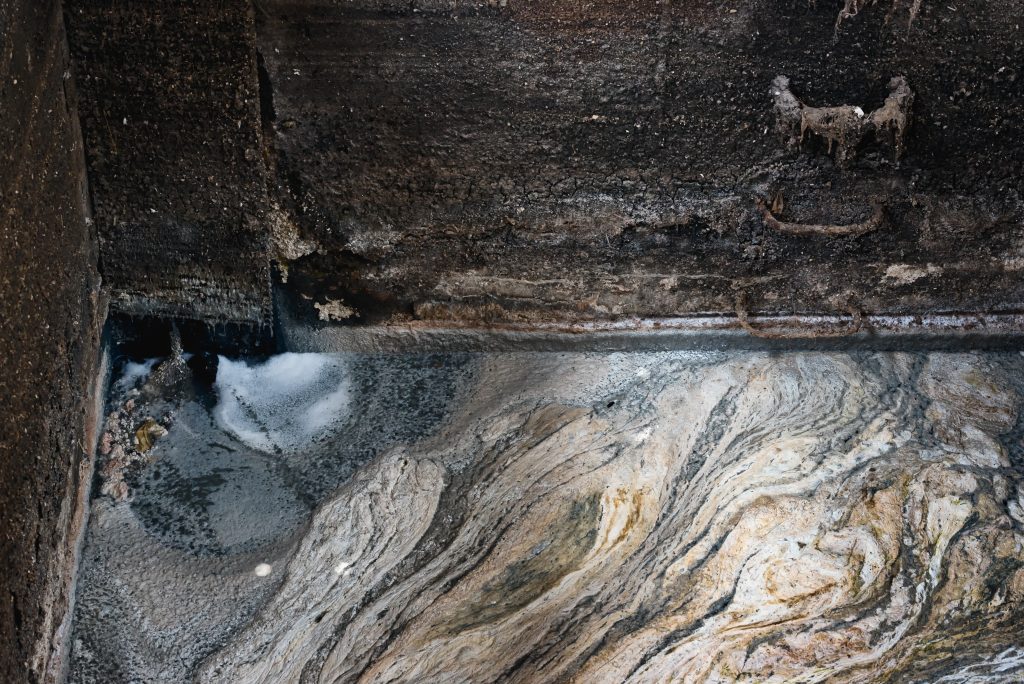
Grease stuck to the sidewalls, baffles, and internal surfaces is then scraped carefully to clear buildup without damaging the trap components. Removed grease waste are placed in a sealed container for proper disposal, while solids have to be collected separately in a separate waste bin. During this step, the baffles and internal parts need to be handled with extra care to prevent damage during the operation.
After grease, solids, and food sludge are removed, the trap interior is rinsed with clean water to wash away loose residue from the sidewalls, baffles, inlet, and outlet areas. This rinsing stage helps reveal any remaining grease buildup that may still be attached to internal surfaces after scraping and scooping. Light buildup can usually be cleared manually with water and careful brushing, but some grease deposits become too thick, hardened, or compacted for basic cleaning. When the blockage is severe, professional hydro jetting is needed to break down stubborn buildup, clear restricted flow paths, and restore proper wastewater movement through the system. This helps the grease trap return to a safer, cleaner operating condition.
After the interior is cleaned and rinsed, the baffles, screens, and removable grease trap equipment are reassembled in their correct position. The lid is then secured properly to prevent odors, leaks, or unsafe exposure. Once the trap is closed, clean water is run through the connected sink or drain to check normal flow. This final check helps confirm that wastewater is moving through the system without slow drainage, backup, or visible leakage. If flow still seems restricted, it might get difficult to handle with diy grease trap cleaning. In these cases, professional grease trap maintenance service may be required to ensure proper waterflow in the kitchen.
After cleaning the grease trap, the service should be recorded properly in a detailed form commonly known as manifest report. Restaurants should always maintain a cleaning log, service receipt, and waste disposal report when grease waste is collected by a licensed hauler. In Los Angeles, Municipal Code Section 64.30 includes requirements for maintaining hauled waste records and manifests. Missing records can create compliance problems during inspections and may lead to notices, fines, penalties, permit issues, or added costs.
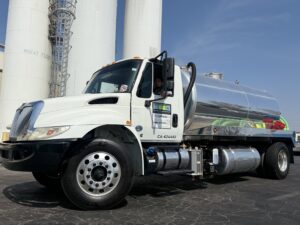
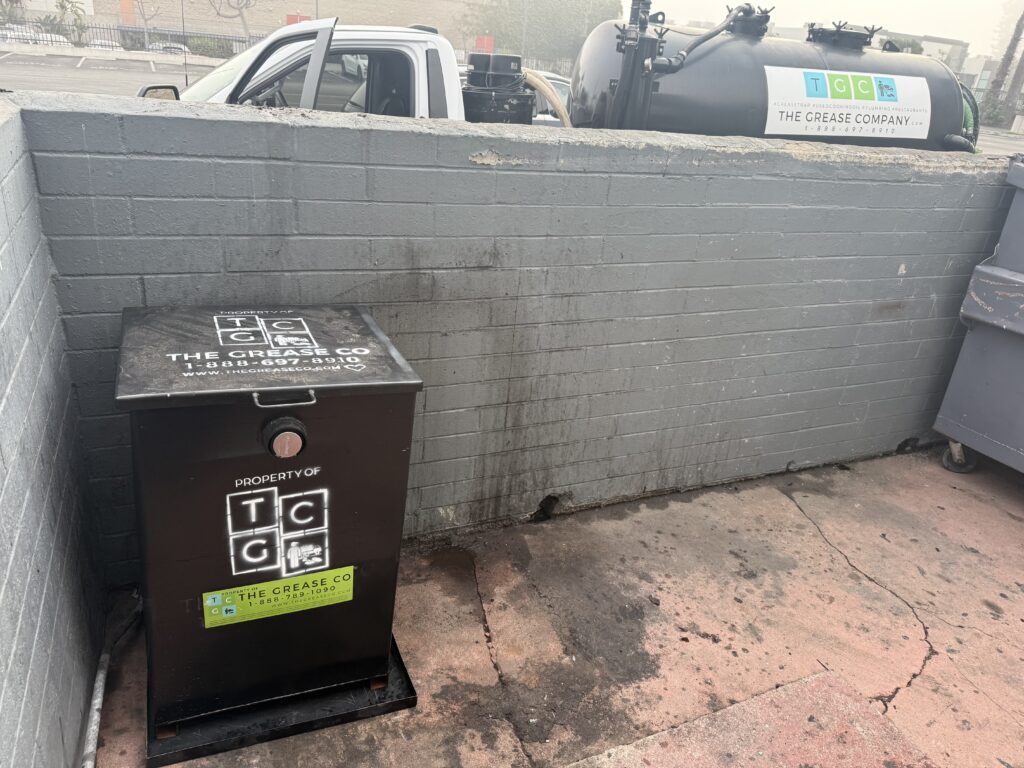
Grease trap cleaning equipment can range from simple safety items and hand tools to heavy-duty grease trap cleaning tools used by licensed grease management companies. Small indoor traps may be serviced with simple tools such as protective gear, scrapers, scoops, buckets, absorbent materials, and sealed waste containers. Larger or heavily loaded systems often require professional equipment as vacuum pumps, waste hauling tanks, pressure washers, hydro jetting machines, and proper grease waste transportation systems. The right grease trap cleaning equipment helps remove grease, solids, and hardened buildup more safely while protecting the trap, kitchen drains, and overall service quality.
If you are trying to learn how to clean a grease trap and want to do it yourself, it is just as important to understand the common mistakes that should be avoided. DIY grease trap cleaning can help restaurants manage small indoor units between professional services, but mistakes can quickly create operational and compliance problems. Common issues include cleaning only the surface grease, leaving sludge at the bottom, skipping baffles and screens, or failing to scrape hardened buildup from sidewalls and internal surfaces. Grease waste should never be poured into drains or mixed carelessly with wastewater, because improper disposal can cause overflowing grease traps, odors, blockages, and inspection concerns. Restaurants also make mistakes by using harsh chemicals, reopening the kitchen without checking water flow, or failing to document the cleaning of the grease trap. A carefully planned grease trap cleaning procedure protects the grease separator unit, reduces drain backup risks, and supports safer kitchen operation.
A manifest report for grease trap is a service record that tracks FOG waste from the restaurant to the approved disposal facility. It usually includes the service date, hauler information, waste volume, collection details, and disposal location. Local wastewater authorities, as LA Sanitation (LASAN) use these records to confirm that grease waste is transported and handled legally, not released into drains or sewers. For food service businesses, keeping manifests helps prove responsible FOG waste management during inspections. Missing or incomplete records may lead to compliance notices, fines, penalties, or permit-related problems for the business owner later onsite.
Restaurant owners can often tell a grease trap is full during diy grease trap cleaning. One of the first signs that indicate a full grease trap is a strong, unpleasant odor coming from the trap, drain lines, or nearby commercial kitchen area.
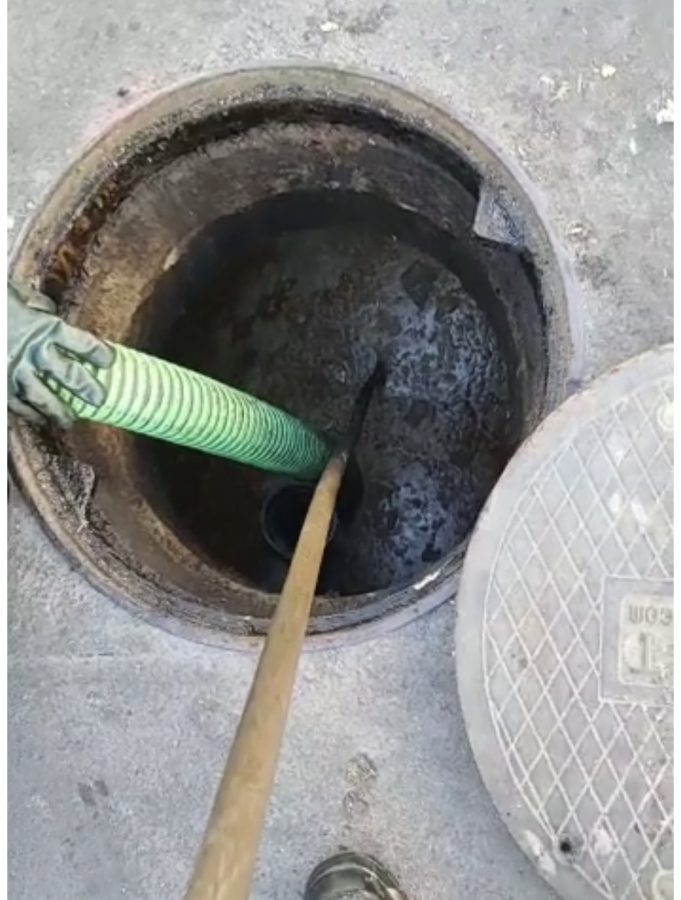
This smell usually develops when grease, food particles, and sludge sit inside the unit for too long and begin to break down. Slow-draining sinks are another warning sign, especially when fixtures connected to the trap are no longer moving water smoothly. During inspection, the trap may show a thick floating grease layer, heavy settled solids, reduced wastewater space, or buildup around the inlet and outlet pipes. When this happens, the system can no longer separate waste properly, increasing the risk of backups, grease trap overflow, plumbing damage, and compliance concerns.
Restaurants should hire an expert grease trap cleaner when the unit is too full, smells strongly, drains slowly, overflows, or shows heavy grease buildup around the baffles, inlet, or outlet areas. DIY grease trap cleaning may be suitable for small indoor maintenance, but larger systems, underground interceptors, hardened sludge, recurring backups, and suspected plumbing restrictions require proper grease trap cleaning equipment and trained technicians. A professional company can pump grease traps safely, inspect internal components, clear stubborn buildup, provide disposal documentation, and help keep the kitchen aligned with local FOG requirements. Professional service is also the better choice when staff lack safety equipment, waste containers, or knowledge of proper disposal procedures. Waiting too long can increase odor problems, emergency grease trap cleaning costs, operation downtime, and inspection risks. Hiring a trained team helps prevent repeated failures, protects kitchen workflow, and gives restaurant owners greater confidence before the next inspection.

Need a clear estimate of grease trap cleaning cost for your commercial kitchen? The Grease Company provides free quote, licensed service, proper grease waste handling, and reliable scheduling in Los Angeles, and the surrounding Southern California cities. For fast support and accurate pricing, contact us today to request a quote.
Learn how to tell if cooking oil has gone bad, understand it’s shelf life, and best expired cooking oil disposal tips for commercial kitchens.
How often a grease trap system should be cleaned depends on the commercial kitchen’s cooking volume, trap size, menu type, and daily wastewater flow. Small indoor traps in busy kitchens may need service every one to two weeks, while larger outdoor interceptors are often serviced on a 30 to 90 day schedule. The safest approach is to clean the system before grease, food solids, and sludge reduce its working capacity. Waiting for foul odors, slow drains, or backups usually means the trap is already overloaded. The Grease Company helps restaurants build a practical service schedule based on real grease production, inspection needs, and local FOG regulations in Los Angeles, San Diego, San Bernardino, Orange, Riverside, Ventura and other nearby cities.
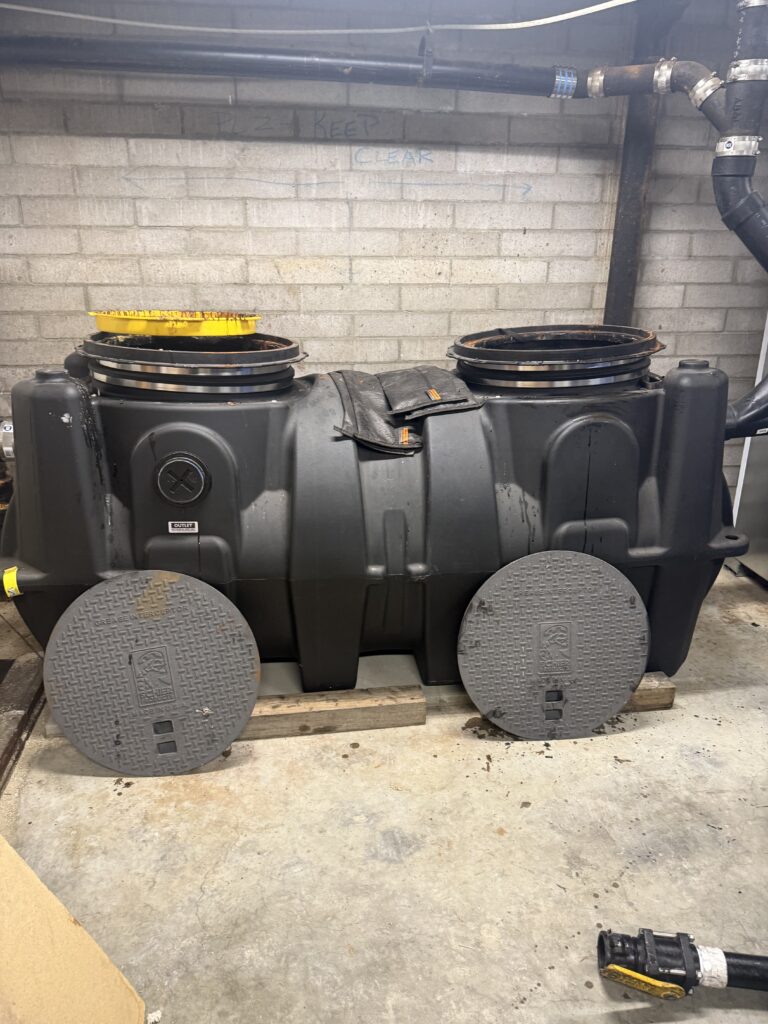
Choosing an expert company that knows how to clean a grease trap is important when a restaurant needs more than basic surface cleaning. A reliable service provider should understand safe grease removal, baffle inspection, sludge buildup, water flow issues, proper disposal method, and local FOG compliance requirements. The company should also have trained technicians, professional grease trap cleaning equipment, emergency response capability, and provide service documentation after every visit.
TGC brings all these qualities together for commercial kitchens in LA and surrounding Southern California cities. Our team handles routine service, grease trap cleaning, hydro jetting, grease recycling, and safe grease waste transportation and disposal. We also provide certified service reports that help restaurants show proof of proper maintenance and waste handling during inspections. Instead of only removing visible grease, we help identify deeper issues that can lead to foul odors, backups, drainage problems, or repeated service needs. This gives restaurant owners stronger protection and more confidence in their grease management system.
The Grease Company helps restaurants and commercial kitchens stay ahead of grease problems with dependable service, proper waste management, and clear communication from start to finish. We understand that commercial services are not only about cleaning out grease traps. They are also about protecting kitchen workflow, preventing drain backups, reducing odor issues, and helping food service businesses maintain safer, cleaner, and more compliant operations.
We provide scheduled and emergency support across Southern California, including Los Angeles, San Diego, Orange, Riverside, San Bernardino, Ventura, and nearby communities. Our CDFA-licensed team follows proper grease trap cleaning procedure, and uses advanced grease trap cleaning equipment to support responsible grease management. Whether you operate a small café, full-service restaurant, hotel kitchen, cafeteria, supermarket, or high-volume food facility, TGC delivers practical service designed to reduce downtime, control maintenance issues, and keep commercial kitchens running smoothly. Call us at 888-697-8910 today.
What our clients say about our services
The service was not only quick but also thorough and professional. As a restaurant owner, I can’t stress enough how much I value their reliability and expertise.

Riverside Restaurant Owner
The Grease Company was very responsive from my first call. Their prices were reasonable, and they cleaned my bakery’s grease trap within three business days.

Owner, Pacific Cuisine
I had an emergency overflow, contacted The Grease Co., and they were amazing- understood the urgency and stepped in to resolve my issue and save the day.

Executive Chef, Sunset Resort
From the first phone call to the last, their can-do attitude was flawless. The staff went above and beyond to meet my deadlines- friendly, caring, and truly reliable.

Manager, Downtown Diner
I had an emergency overflow and contacted TGC. They were amazing, understood the urgency, and immediately stepped in to handle everything.

Long Beach Restaurant Owner
Best of the best, I had the best service from Grease comp. I had been calling to different companies. But Miko gave me the best service. THANK YOU! For everything.

Hollywood Restaurant Owner
The service was not only quick but also thorough and professional. As a restaurant owner, I can’t stress enough how much I value their reliability and expertise.
Riverside Restaurant Owner
The Grease Company was very responsive from my first call. Their prices were reasonable, and they cleaned my bakery’s grease trap within three business days.
Owner, Pacific Cuisine
I had an emergency overflow, contacted The Grease Co., and they were amazing- understood the urgency and stepped in to resolve my issue and save the day.
Executive Chef, Sunset Resort
From the first phone call to the last, their can-do attitude was flawless. The staff went above and beyond to meet my deadlines- friendly, caring, and truly reliable.
Manager, Downtown Diner
I had an emergency overflow and contacted TGC. They were amazing, understood the urgency, and immediately stepped in to handle everything.
Long Beach Restaurant Owner
Best of the best, I had the best service from Grease comp. I had been calling to different companies. But Miko gave me the best service. THANK YOU! For everything.
Hollywood Restaurant Owner
Reduce unpredictable service expenses with a consistent maintenance schedule from The Grease Company. Our licensed team helps restaurants control grease trap cleaning cost, prevent heavy buildup, and avoid emergency disruptions across Southern California commercial kitchens.