
Grease Trap Maintenance Tips for Restaurants
Home
Grease Trap Maintenance Tips
Table of Contents
Our Services
Need Advice on DIY Grease Trap Cleaning?
Why Grease Trap Maintenance Is Essential for Busy Commercial Kitchens
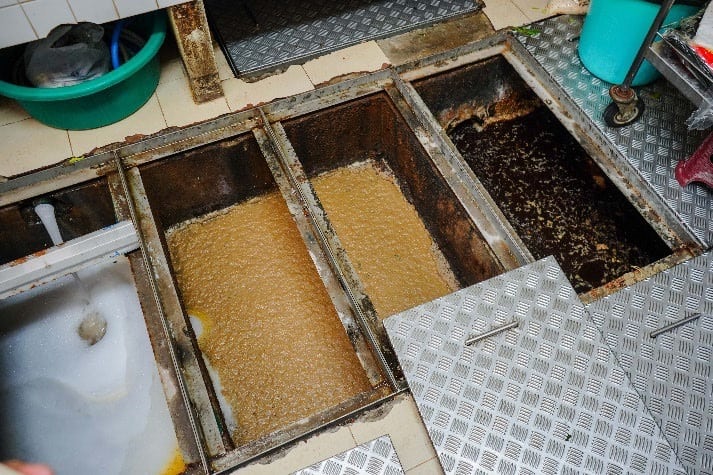
Grease trap maintenance is essential for busy commercial kitchens because every day food solids, fats, oils, and grease move through sinks, dishwashers, and prep areas. When the trap is not maintained, grease buildup can restrict wastewater flow, create strong odors, cause slow drains, and lead to messy overflows during service hours. For restaurants, overflowing grease traps can affect more than major plumbing issues. They can interrupt commercial food preparation, create sanitation concerns, and increase the risk of costly emergency grease trap repair. A consistent commercial grease trap maintenance helps restaurant staff spot early warning signs before the system becomes grease trap overflow. Regular checks, proper waste handling, best management practices, and professional grease trap management keep the trap working as intended. Comprehensive restaurant grease trap maintenance also supports local FOG compliance and keeps records easier to manage during inspections.
Important Grease Trap Maintenance Tips for Restaurants in Los Angeles
A grease trap is not just a container that holds kitchen waste. It is a working drainage device designed to slow wastewater, separate fats, oils, grease, and solids, and protect the plumbing system from blockages. When this system is ignored, even small amounts of daily buildup can restrict flow, create foul odors, damage internal parts, and lead to restaurant grease trap overflow during busy service hours. These practical grease trap maintenance tips can help restaurants reduce those risks. A properly scheduled maintenance routine allows commercial kitchens to control grease at the source, protect baffles, reduce food solids, and schedule professional grease trap service before the system gets overloaded.
1. Scrape Food Solids Before Washing Dishes
Food scraps should be removed from plates, pans, and prep tools before they reach the sink. When solids enter the drain, they settle inside the grease trap and reduce its working capacity. This simple habit in a busy commercial kitchen helps maintain grease trap performance, reduces buildup, and keeps the system easier to service.
2. Keep Cooking Oil and Grease Out of Drains
Cooking oil after being used, waste grease from the deep fryer, and heavy fats should never be poured into sinks or floor drains. These materials can overload the grease trap quickly causing severe grease trap overflow and create blockages inside the plumbing system. Proper oil storage and regular oil pickup service help protect the trap, and support better grease management.
3. Check Grease Levels Before Grease Trap Overflow Occurs
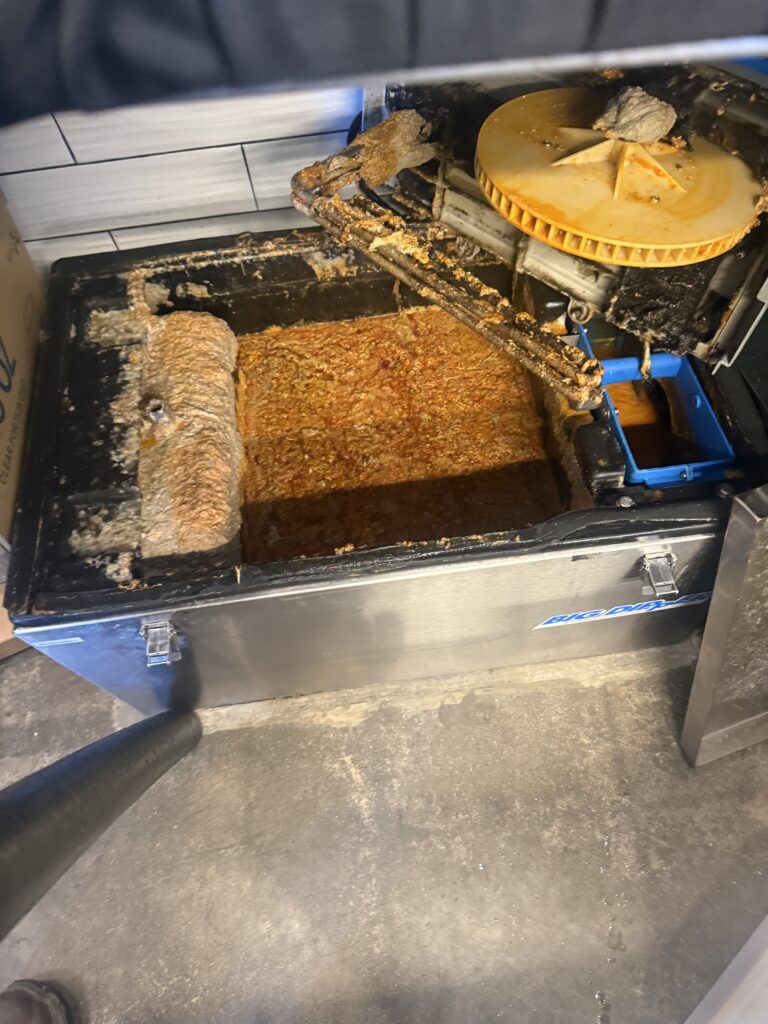
Regular grease trap inspections help staff understand when the grease trap is getting too full. A thick grease layer, heavy sludge, slow drainage, or strong odors are all signs of a full grease trap needing immediate attention. Checking grease levels early also helps prevent overflow, sewer backups, and emergency situations during restaurant hours in busy cities as Los Angeles, San Diego, Orange and the surroundings.
4. Inspect Baffles T, Screens, and Internal Flow Areas Regularly
Grease trap and interceptor baffles and screens help control wastewater flow and separate grease from water. If these parts are blocked, damaged, or coated with heavy grease or waste buildups, the grease trap can’t function properly. During grease trap maintenance, these internal areas should be checked carefully to keep the system functioning as designed.
5. Train Kitchen Staff on Daily Grease Management Habits
Proper commercial grease trap maintenance starts with the kitchen team. Staff should understand how to scrape plates before washing, handle cooking oil disposal correctly, avoid dumping grease waste into drains, report foul odors, and recognize early warning signs such as slow drainage or grease buildup. Consistent staff training reduces preventable mistakes and helps restaurants maintain a cleaner kitchen.
Grease Trap Maintenance Checklist for Kitchen Staff
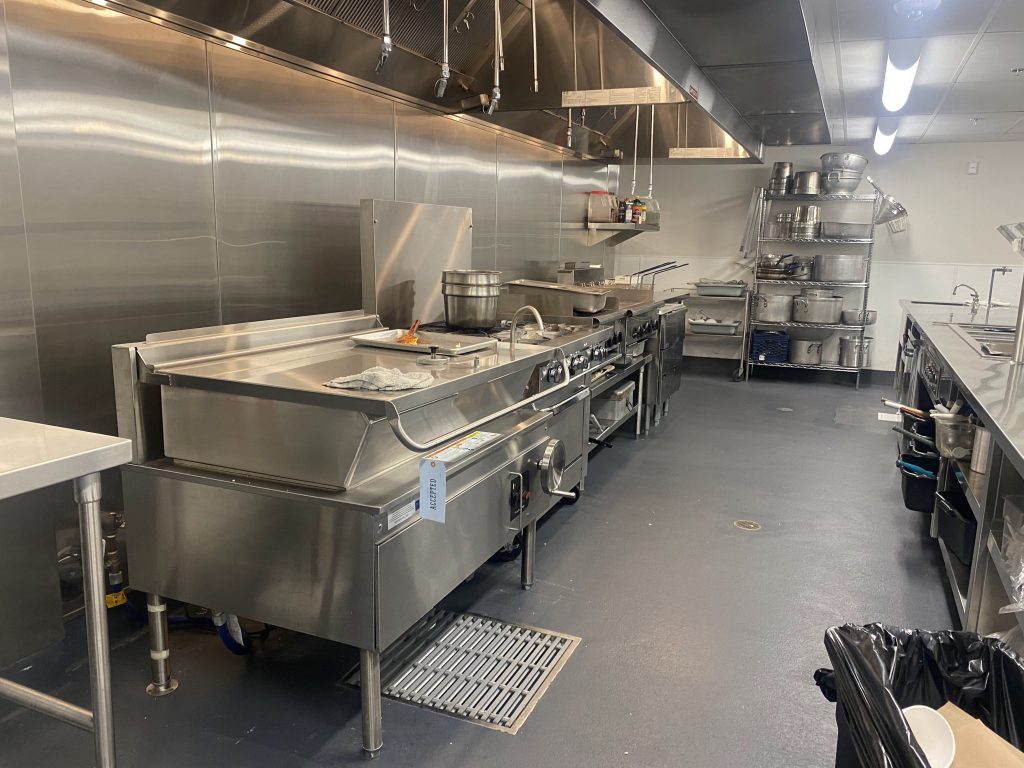
A practical grease trap maintenance checklist helps restaurants track buildup, drainage, odors, water flow, and service needs before problems disrupt kitchen operations.
- Check FOG and Solid Levels Before They Exceed Safe Capacity
- Monitor Odors and Slow Drains Before They Disrupt Kitchen Operations
- Follow Our Grease Trap Maintenance Tips And Inspect Water Levels Regularly
- Review Service Records Before Grease Trap Maintenance Schedules Become Overdue
What Restaurants Should Avoid During Commercial Grease Trap Maintenance
As part of the best grease trap maintenance tips, restaurants should understand which practices to avoid during routine maintenance. Commercial kitchens should not rely on additives, enzymes, or chemical drain products to break down grease inside the trap. These products may only move fats, oils, and grease away from the trap instead of removing the waste properly. Grease waste should not be pushed into drains, mixed carelessly with wastewater, or handled without proper collection methods. Restaurants should also avoid ignoring foul odors, slow drains, repeated grease buildup, or visible waste around the trap area. These signs should never be treated as normal kitchen conditions. Local FOG regulations should not be overlooked either, especially when they require maintenance logs, service documentation, and proof of proper grease waste handling. A grease trap maintenance routine should avoid shortcuts and focus on correct waste removal, proper records, and responsible grease management practices.
Consequences of Neglecting Grease Trap Maintenance
Neglecting grease trap maintenance can quickly turn routine buildup into odor, drainage, overflow, and sanitation problems inside a restaurant. When grease, food solids, and sludge stay in the system too long, they reduce capacity, restrict wastewater flow, and increase pressure on connected plumbing. Restaurants may also face inspection issues if poor maintenance leads to FOG discharge or missing service records. For penalty references, food businesses can review government resources such as City of San Diego wastewater documents, which include non-compliance fees and penalties related to sewer discharge enforcement.
What Is The Ideal Grease Trap Maintenance Schedule for Restaurants?
A practical maintenance schedule turns grease trap maintenance into a repeatable routine for restaurant teams. How often to clean out a grease trap should be determined based on grease trap size, cooking volume, menu type, and daily FOG production.
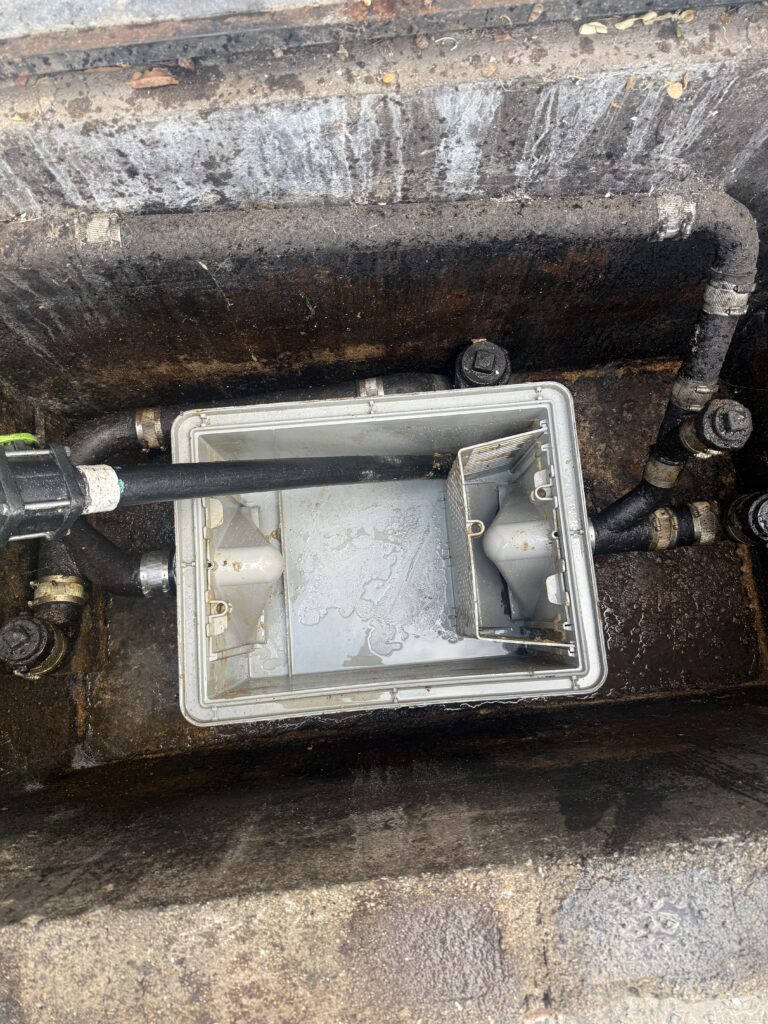
Restaurants that fry foods, wash heavy cookware, or operate long hours usually need more frequent attention than lower-volume kitchens. A clear grease trap maintenance checklist helps staff track buildup, odors, drainage, and determine schedule for their grease trap maintenance.
When Restaurants Should Hire Professional Grease Trap Maintenance Service
Professional grease trap maintenance service is best scheduled before a commercial kitchen is forced into emergency situations. Instead of waiting for signs of grease trap failure, restaurants should bring in a qualified provider when service dates are approaching, the trap is handling heavier volume, menu changes increase oil use, or staff cannot safely inspect the system. A technician can measure buildup, review flow conditions, check lids, baffles, inlet and outlet areas, and confirm whether the current maintenance interval still fits daily operation.
This planned approach gives restaurant owners better control over staffing, downtime, documentation, and waste handling. It also keeps service reports, manifests, and maintenance history organized for inspections. For busy kitchens, scheduled professional service is not only about cleaning. It is a way to keep grease control predictable, protect plumbing assets, reduce last-minute disruptions, and make long-term grease trap maintenance easier to manage.

Get More Grease Trap Maintenance Tips From The Grease Company
Want practical grease trap solutions beyond basic grease trap maintenance tips? The Grease Company helps restaurants plan service schedules, inspect grease buildup, manage documentation, and avoid last minute grease problems across Southern California. Contact us today to request a free estimate.
Service Areas
Recent Blogs
Tips For Expired Cooking Oil Disposal & Cooking Oil Shelf Life
Learn how to tell if cooking oil has gone bad, understand it’s shelf life, and best expired cooking oil disposal tips for commercial kitchens.
Why Restaurant Grease Traps Smell Even After Routine Maintenance
Even with routine grease trap maintenance, restaurant grease traps can still smell when food solids, sludge, or old grease remain inside hard-to-reach areas. Odors may also return if baffles are coated, wastewater is moving too slowly, the trap is undersized, or service intervals are not matched to actual kitchen volume. In most cases, the issue is not only the trap itself but also daily grease handling, drain habits, ventilation, and how thoroughly the system is inspected during maintenance.
How to Choose a Commercial Grease Trap Maintenance Service
Choosing a reliable commercial grease trap maintenance company starts with checking whether the provider understands restaurant operations, FOG compliance, safe waste handling, and proper service documentation. A dependable company should offer scheduled maintenance, emergency support, trained technicians, professional equipment, and clear communication before and after each visit. Restaurants should also look for experience with indoor traps, underground interceptors, grease buildup, and drainage issues.
The right service provider should do more than complete a basic cleanout. An ideal company inspects baffles, checks flow conditions, identifies early warning signs, transports grease waste properly, and provides accurate records for inspections. It should also help restaurants plan service intervals based on kitchen volume, trap size, and local requirements. A professional approach gives restaurant owners better control over maintenance schedules, compliance needs, plumbing protection, and daily kitchen reliability.
Keep Your Commercial Kitchen Protected With The Grease Company’s Commercial Grease Trap Services
A strong grease trap maintenance routine works best when it is supported by professional service at the right time. TGC helps restaurants and commercial kitchens protect their plumbing systems, control grease buildup, and reduce the risk of unexpected service disruptions. Our team provides commercial services designed to remove FOG, food solids, sludge, and hardened buildup that daily commercial kitchen habits cannot fully control. We serve restaurants, cafés, hotels, cafeterias, supermarkets, and food service facilities across Southern California with scheduled service, emergency response, grease trap pumping, hydro jetting, grease recycling, waste transportation, and service documentation. Whether your kitchen needs routine support or urgent help with a problem trap, TGC delivers reliable service focused on cleaner drainage, safer waste handling, and better grease trap management. Call The Grease Company today!
Client stories
What our clients say about our services
The service was not only quick but also thorough and professional. As a restaurant owner, I can’t stress enough how much I value their reliability and expertise.

Yama Mama
Riverside Restaurant Owner
The Grease Company was very responsive from my first call. Their prices were reasonable, and they cleaned my bakery’s grease trap within three business days.

Tracy and Francisco
Owner, Pacific Cuisine
I had an emergency overflow, contacted The Grease Co., and they were amazing- understood the urgency and stepped in to resolve my issue and save the day.

Ted Christos
Executive Chef, Sunset Resort
From the first phone call to the last, their can-do attitude was flawless. The staff went above and beyond to meet my deadlines- friendly, caring, and truly reliable.

Nash Jimenez
Manager, Downtown Diner
I had an emergency overflow and contacted TGC. They were amazing, understood the urgency, and immediately stepped in to handle everything.

Kim Pfister Rhodes
Long Beach Restaurant Owner
Best of the best, I had the best service from Grease comp. I had been calling to different companies. But Miko gave me the best service. THANK YOU! For everything.

Aracely Perez
Hollywood Restaurant Owner
The service was not only quick but also thorough and professional. As a restaurant owner, I can’t stress enough how much I value their reliability and expertise.
Yama Mama
Riverside Restaurant Owner
The Grease Company was very responsive from my first call. Their prices were reasonable, and they cleaned my bakery’s grease trap within three business days.
Tracy and Francisco
Owner, Pacific Cuisine
I had an emergency overflow, contacted The Grease Co., and they were amazing- understood the urgency and stepped in to resolve my issue and save the day.
Ted Christos
Executive Chef, Sunset Resort
From the first phone call to the last, their can-do attitude was flawless. The staff went above and beyond to meet my deadlines- friendly, caring, and truly reliable.
Yama Mama
Manager, Downtown Diner
I had an emergency overflow and contacted TGC. They were amazing, understood the urgency, and immediately stepped in to handle everything.
Kim Pfister Rhodes
Long Beach Restaurant Owner
Best of the best, I had the best service from Grease comp. I had been calling to different companies. But Miko gave me the best service. THANK YOU! For everything.
Aracely Perez
Hollywood Restaurant Owner
Save On Grease Trap Cleaning Cost With Scheduled Service From The Grease Company
Reduce unpredictable service expenses with a consistent maintenance schedule from The Grease Company. Our licensed team helps restaurants control grease trap cleaning cost, prevent heavy buildup, and avoid emergency disruptions across Southern California commercial kitchens.