
A Guide to Effective Restaurant Grease Management Practices
Discover effective restaurant grease management practices to prevent FOG buildup, maintain kitchen cleanliness, and support efficient operations.
Proudly Serving-Los Angeles, Orange, San Diego, Riverside, San Bernardino, and Ventura Counties.
We’re Available 24/7
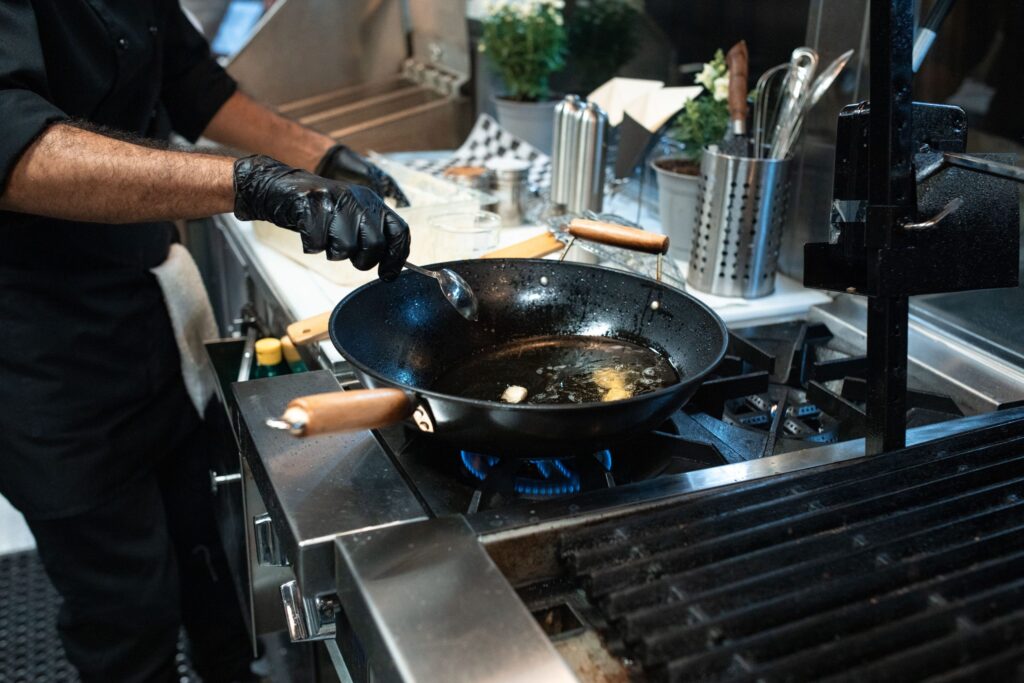
Restaurant grease management is essential to operating a busy commercial kitchen, where fats, oils, and grease (FOG) are generated throughout daily food preparation. Frying, grilling, roasting, washing cookware, and handling ingredients can leave residues that enter kitchen drains or accumulate around food preparation areas. As hot wastewater cools, fats and oils can solidify and combine with food particles, forming deposits inside pipes and sewer lines. Over time, these deposits restrict wastewater flow and increase the risk of blockages, unpleasant odors, sewer backups, and costly plumbing disruptions. The volume of FOG generated varies depending on a restaurant’s menu, cooking methods, equipment, and daily activity. Effective commercial grease management practices help protect plumbing infrastructure, maintain a cleaner working environment, and minimize operational disruptions.
The consequences of uncontrolled FOG can extend beyond individual establishments. Grease entering municipal sewer systems can contribute to blockages, place additional strain on public infrastructure, and create wider sanitation concerns. For restaurant owners, these problems can result in unexpected repair expenses, cleanup costs, and interruptions to normal business operations. Since used cooking grease is an unavoidable byproduct of commercial food preparation, managing it requires consistent attention as part of routine kitchen operations. Following best grease management practices helps restaurants protect their drainage systems, control avoidable expenses, and maintain reliable operations while meeting local waste management requirements.
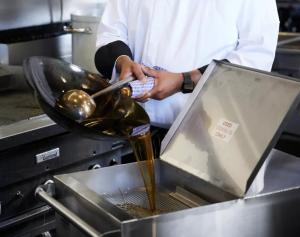
Grease traps and interceptors require regular inspections and professional servicing to prevent accumulated fats, oils, and grease from restricting wastewater flow or entering sewer lines. Restaurants should establish maintenance schedules based on grease production, kitchen activity, equipment capacity, and applicable local requirements. Professional grease trap cleaning removes accumulated grease, wastewater, and settled solids, while timely grease trap repair addresses damaged components, structural deterioration, and operational problems. Restaurants should also maintain accurate service records documenting inspection dates, pumping schedules, maintenance findings, and completed repairs. These records help operators monitor equipment conditions, identify recurring issues, and plan necessary servicing before problems disrupt kitchen operations. Incorporating these responsibilities into routine grease management practices allows restaurants to maintain better control over FOG accumulation, protect their drainage systems, and reduce the risk of plumbing problems and unexpected maintenance expenses.
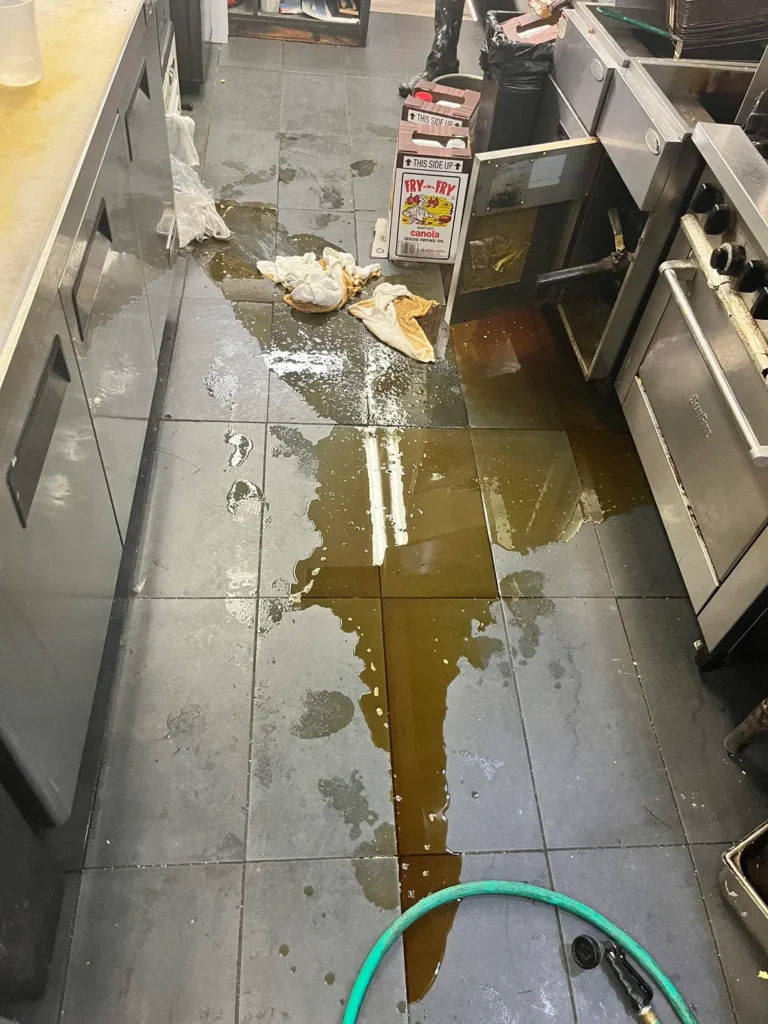
Restaurant kitchens operate at a demanding pace, and with staff constantly preparing food, handling cooking oil, and cleaning equipment, occasional grease spills are difficult to avoid. However, unattended grease on floors and work surfaces can create slippery conditions, attract dirt, and increase fire risks when accumulated near fryers, burners, or other heat sources. Overflowing floor drains, unpleasant odors from grease traps, and leaking or overfilled used cooking oil containers can also create unsanitary conditions and disrupt kitchen operations. Staff should remain alert to these problems, clean spills promptly, monitor drainage areas, and check oil storage containers regularly. Keeping cooking areas free from excessive grease pollution and addressing early warning signs helps prevent avoidable hazards and supports consistent restaurant grease management.
Effective restaurant grease management practice helps maintain consistency across daily kitchen activities while ensuring that grease-related responsibilities are not overlooked during busy operating hours. Management should establish clear written procedures for used grease handling, used cooking oil disposal methods, and maintaining grease traps and interceptors. Each task should have a defined schedule, making it easier to maintain accountability across shifts. Inspection findings, cleaning activities, pumping services, and necessary repairs should also be documented to track ongoing maintenance requirements. Regular employee training reinforces these procedures and ensures that staff understand how their daily actions affect the restaurant’s drainage systems and overall sewer environment of their municipal area. Working with a qualified grease management service provider further helps maintain dependable grease removal. Together, these measures establish consistent grease management practices and reduce the likelihood of many preventable plumbing problems.

The Grease Company provides dependable commercial grease management services for restaurant kitchens throughout Southern California. From emergency grease pickup to grease trap and interceptor services, hydro jetting, and drain cleaning, our team is equipped to handle all your needs professionally. Contact us now to discuss your requirements and schedule service.
Discover effective restaurant grease management practices to prevent FOG buildup, maintain kitchen cleanliness, and support efficient operations.
Commercial restaurants generate substantial quantities of grease waste, and managing these byproducts requires reliable arrangements beyond the kitchen’s immediate operations. Collection frequency should reflect actual grease waste production, available storage capacity, and the volume generated between service visits. Commercial kitchens should also consider access for pumping vehicles and coordinate service appointments around their operating hours. These arrangements help prevent unnecessary storage delays and ensure that accumulated waste can be transferred without interfering with daily business activities. Establishing a dependable pickup schedule also gives business operators greater control over how much waste is stored on their premises and when it needs to be removed. After collection, the handling of collected kitchen grease is equally important. Used cooking oil should be transported through appropriate channels to authorized processing facilities. Depending on its quality and composition, recovered cooking oil may be suitable for further processing into biodiesel feedstock or other usable products. Restaurant owners should always retain relevant documentation and waste transfer records to maintain accountability and demonstrate how their grease waste is handled.
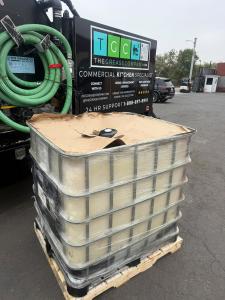
The Grease Company provides comprehensive grease management solutions for commercial kitchens across Southern California. Our services include used cooking oil collection, grease trap and interceptor pumping, cleaning, repair, installation, and replacement, as well as hydro jetting and drain cleaning. With professional equipment, company-operated service vehicles, and licensed IKG haulers, our team handles these requirements with an emphasis on dependable scheduling, and responsible waste handling.
From routine grease trap maintenance to urgent grease collection, our team is equipped to support the demands of commercial kitchens. We understand that every restaurant has different requirements, which is why we provide practical service arrangements suited to individual operations. Contact The Grease Company anytime, 24/7, at 888-697-8910 to discuss your restaurant grease management needs.
What our clients say about our services
The service was not only quick but also thorough and professional. As a restaurant owner, I can’t stress enough how much I value their reliability and expertise.

Riverside Restaurant Owner
The Grease Company was very responsive from my first call. Their prices were reasonable, and they cleaned my bakery’s grease trap within three business days.

Owner, Pacific Cuisine
I had an emergency overflow, contacted The Grease Co., and they were amazing- understood the urgency and stepped in to resolve my issue and save the day.

Executive Chef, Sunset Resort
From the first phone call to the last, their can-do attitude was flawless. The staff went above and beyond to meet my deadlines- friendly, caring, and truly reliable.

Manager, Downtown Diner
I had an emergency overflow and contacted TGC. They were amazing, understood the urgency, and immediately stepped in to handle everything.

Long Beach Restaurant Owner
Best of the best, I had the best service from Grease comp. I had been calling to different companies. But Miko gave me the best service. THANK YOU! For everything.

Hollywood Restaurant Owner
The service was not only quick but also thorough and professional. As a restaurant owner, I can’t stress enough how much I value their reliability and expertise.
Riverside Restaurant Owner
The Grease Company was very responsive from my first call. Their prices were reasonable, and they cleaned my bakery’s grease trap within three business days.
Owner, Pacific Cuisine
I had an emergency overflow, contacted The Grease Co., and they were amazing- understood the urgency and stepped in to resolve my issue and save the day.
Executive Chef, Sunset Resort
From the first phone call to the last, their can-do attitude was flawless. The staff went above and beyond to meet my deadlines- friendly, caring, and truly reliable.
Manager, Downtown Diner
I had an emergency overflow and contacted TGC. They were amazing, understood the urgency, and immediately stepped in to handle everything.
Long Beach Restaurant Owner
Best of the best, I had the best service from Grease comp. I had been calling to different companies. But Miko gave me the best service. THANK YOU! For everything.
Hollywood Restaurant Owner
Whether you need scheduled used vegetable oil removal, equipment maintenance, or professional drain cleaning, our team is ready to help. Contact TGC 24/7 to discuss your restaurant’s requirements and arrange certified and reliable service across Southern California.